

As Poland gears up for the 2025 presidential elections, the buzz around potential candidates and polling results is heating up faster than a pierogi on a summer day. With political dynamics shifting and public sentiment evolving, understanding the latest polls can feel like trying to decipher a babcia’s secret recipe—challenging yet rewarding.
In a landscape where every vote counts and every opinion matters, these surveys offer a sneak peek into the minds of Polish voters. Will the current leadership hold onto power, or is a new contender ready to take the stage? Buckle up as we dive into the intriguing world of Polish election polls, where the stakes are high and the drama is real.
Overview of Polska Wybory Prezydenckie 2025
The 2025 presidential elections in Poland attract significant attention from various sectors. Recent polls reveal shifting voter preferences and potential candidates gaining momentum. Interest in the elections grows, highlighting the importance of public sentiment and political discourse. Candidates representing different parties emerge, each bringing unique platforms and visions for Poland’s future.
Polling data indicates fluctuations in voter support among incumbents and challengers. A certain candidate may capture the public’s imagination while another may struggle to gain traction. Insights from these surveys reflect not only individual preferences but also broader societal trends impacting the electorate. Polls provide a glimpse into the political landscape, affected by issues such as economic performance, social policies, and national security.
The complexity of interpreting these polls demands careful analysis. Voters express opinions influenced by regional differences, age groups, and social demographics. For instance, younger voters might favor progressive policies, while older demographics tend to show support for traditional values. Understanding these nuances plays a crucial role in predicting potential election outcomes.
Experts argue that these metrics shape strategies for candidates and their campaigns. Awareness of polling trends can guide messaging, outreach, and voter engagement efforts. Ultimately, the dynamic nature of Polish politics underscores the relevance of these surveys, offering a portrait of a nation on the verge of possible change. As the election approaches, the implications of these polls resonate far beyond mere numbers.
Current Political Landscape
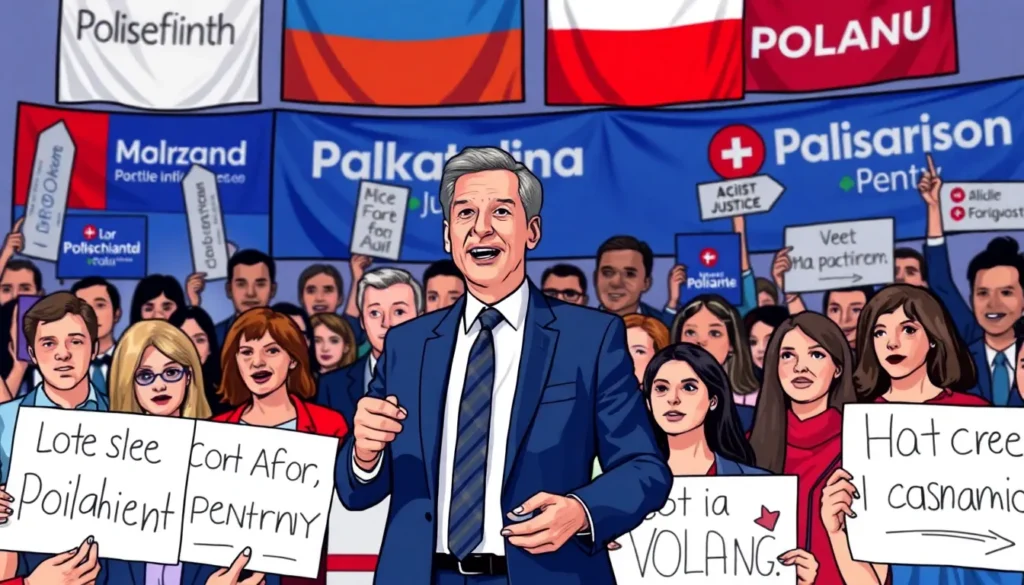
The 2025 presidential elections in Poland create a vibrant political atmosphere. Various candidates and parties address diverse issues, shaping the country’s future.
Key Players in the Election
Candidates from multiple backgrounds emerge as significant figures. The incumbent president has maintained a strong base but faces challenges from opposition leaders gaining traction. One notable contender belongs to a major center-right party, advocating for economic reforms. A left-leaning candidate appeals to younger voters emphasizing social justice. Independent candidates join the fray, bringing fresh perspectives. Voter sentiment shifts continuously, influencing candidates’ public support and strategies. Each player aims to carve a niche and attract diverse voter segments in a competitive landscape.
Political Parties and Their Positions
Parties in Poland represent a range of ideologies, each with distinct platforms. The ruling party emphasizes traditional values, economic growth, and strengthened national security. An opposition party focuses on progressive social policies and environmental sustainability, resonating with urban populations. Another party advocates for labor rights and economic equity, catering to working-class citizens. Smaller parties seek to address niche issues like climate change and digital innovation, engaging younger demographics. Overall, the spectrum of political positions reflects the evolving priorities of Polish voters.
Importance of Sondaże in the Election Process
Polling plays a crucial role in shaping the election process in Poland. It gauges public sentiment and influences voter perceptions ahead of the 2025 presidential elections.
How Polling Works in Poland
Polling in Poland typically involves surveys conducted by various research institutions. These surveys target a diverse range of voters, collecting data through phone interviews, online questionnaires, and face-to-face interactions. The design of these polls aims to capture a representative sample of the electorate. Political analysts assess these results to predict electoral outcomes, helping parties tailor their strategies effectively. Imagine several polls being conducted, each emphasizing different demographics. Insights gleaned from these activities guide campaign messaging and voter outreach.
Recent Trends in 2025 Polls
Recent polls for the 2025 elections highlight significant shifts in voter preferences. Fluctuations in support for candidates reflect the evolving political landscape. Current data indicates that the incumbent president maintains a strong following, yet opposition candidates are gaining ground. Polls reveal that younger voters increasingly gravitate toward candidates promoting progressive platforms. Factors influencing these trends include economic conditions, social concerns, and national security debates. Each poll suggests that voter engagement will likely increase as election day approaches, setting the stage for a competitive and dynamic electoral environment.
Impact of Social Issues on Sondaże
Social issues exert significant influence on polling results in Poland’s 2025 presidential elections. Various factors shape voter preferences, making understanding these dynamics essential for predicting electoral outcomes.
Economic Factors Influencing Voter Sentiment
Economic performance ranks among the top influences on voter sentiment. Price stability, employment rates, and wage growth drive public perception of the ruling party. As the economy fluctuates, voter priorities shift accordingly. For instance, reports indicate that inflation concerns are pressing, contributing to a decline in support for the incumbent president. Opposition parties capitalize on discontent by proposing innovative economic reforms aimed at fostering growth. Candidates addressing economic disparities particularly resonate with working-class constituents, emphasizing the importance of job security and access to opportunities. Surveys reveal a growing desire for policies promoting social equity.
Public Opinions on Major Policies
Public sentiment varies greatly regarding key political policies. Support for social justice initiatives has gained momentum, especially among younger voters seeking progressive change. Environmental policies also shape opinions, with many citizens advocating for climate action and sustainability. Polls reflect these priorities, indicating that candidates focused on social and environmental issues appeal to an increasingly aware electorate. Government decisions related to healthcare accessibility and educational reform further affect voter perceptions. Many voters prioritize these areas, seeking assurance that candidates will address urgent societal needs. Hence, social policies becoming focal points in campaign strategies significantly impact sondaże.
The 2025 presidential elections in Poland are shaping up to be a pivotal moment in the nation’s political landscape. As candidates vie for voter support amid fluctuating polling results, the electorate is increasingly engaged in discussions about key social and economic issues. The dynamic between the incumbent president and emerging challengers highlights a society grappling with change and seeking a voice that resonates with its aspirations.
With diverse candidates presenting varying platforms, the upcoming months will be crucial for shaping public sentiment. As voters weigh their options, the impact of polling will continue to influence campaign strategies and voter turnout. The stage is set for a competitive election that could redefine Poland’s future direction.

