
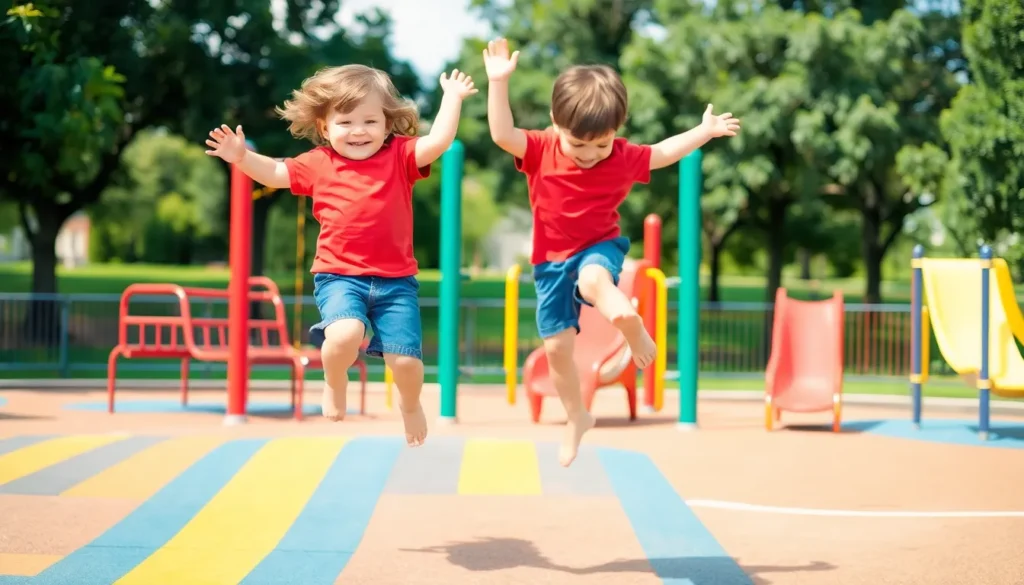
Gross motor skills might sound like a fancy term straight out of a science textbook, but they’re the unsung heroes of everyday life. From toddlers learning to walk to adults mastering the art of the perfect golf swing, these skills play a crucial role in movement and coordination. Think of them as the foundation of physical prowess, making everything from running to dancing a whole lot easier.
Understanding Gross Motor Skills
Gross motor skills encompass the large movements that involve the muscles in the arms, legs, and torso. These skills include activities like running, jumping, and lifting, allowing individuals to perform essential tasks in daily life.
Definition of Gross Motor Skills
Gross motor skills refer to the abilities required for using large muscle groups to achieve movement and coordination. They emerge early in life, starting with simple actions like rolling over and progressing to more complex activities like climbing stairs. Development of these skills occurs through play and practice, promoting physical fitness and overall health.
Importance of Gross Motor Skills
Gross motor skills play a crucial role in physical development and overall well-being. Mastery of these skills enhances coordination and balance, which contributes to confidence in children and adults alike. These skills are fundamental for participating in sports, engaging in recreational activities, and promoting social interaction among peers. Proficient gross motor skills also influence fine motor development, setting a foundation for academic skills like writing and drawing.
Development of Gross Motor Skills
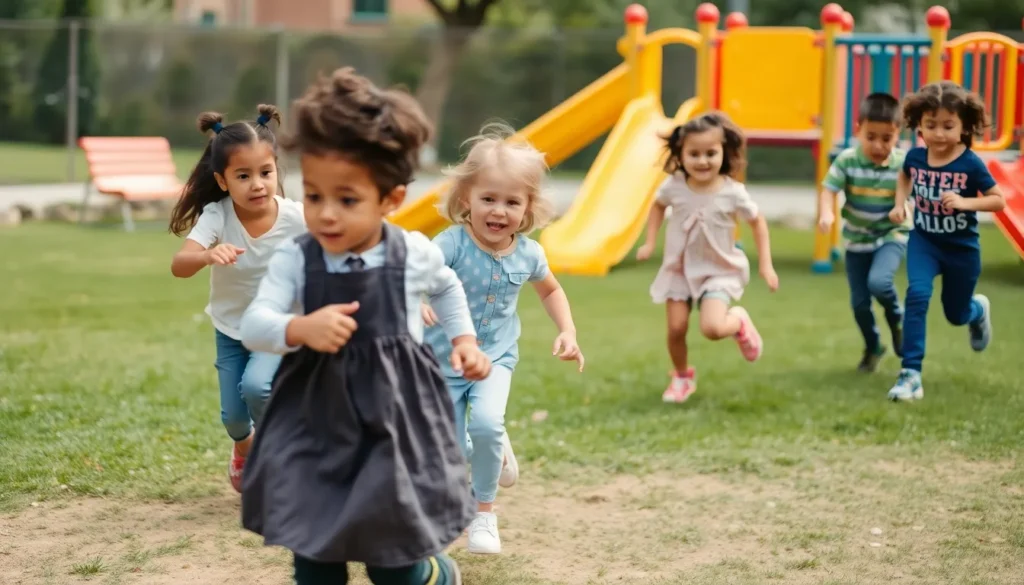
Gross motor skills evolve through distinct stages, beginning in infancy and progressing into early childhood. Infants demonstrate foundational movements like rolling over and crawling at around 6 to 10 months. By age one, standing and walking mark significant milestones. Toddlers refine these skills, jumping and climbing by age two. Children ages three to five become increasingly adept, engaging in running, skipping, and throwing. Mastery continues through childhood and adolescence, as skills develop further, leading to improved coordination and balance.
Several factors impact the development of gross motor skills. Genetic predispositions influence physical capabilities. Environmental elements, such as physical space and access to play equipment, play a vital role in providing opportunities for practice. Engaging in activities like sports enhances skill acquisition. Parental involvement encourages active play, fostering a supportive atmosphere. Lastly, developmental delays or medical conditions may hinder progress, requiring tailored interventions to support skill enhancement.
Activities to Enhance Gross Motor Skills
Engaging in specific activities enhances gross motor skills, promoting physical development in children and adults. Both outdoor and indoor activities provide opportunities for movement and skill refinement.
Outdoor Activities
Running outside allows children to practice speed and agility. Climbing on playground equipment strengthens muscles while improving coordination. Engaging in games like tag encourages quick changes in direction. Riding bikes develops balance and control. Jumping rope cultivates rhythm and timing. Simple activities such as throwing a ball enhance hand-eye coordination and spatial awareness. Regular participation in these activities supports overall health and builds confidence.
Indoor Activities
Using indoor spaces creatively helps develop gross motor skills too. Dancing boosts rhythm and coordination, while obstacle courses made from household items promote problem-solving and strength. Activities like yoga support balance and flexibility through various poses. Interactive games that involve jumping, reaching, and crawling enhance movement awareness. Playing catch with soft balls encourages reaction time and coordination. Parents can incorporate fun, movement-based exercises into daily routines to make physical activity enjoyable and effective.
Common Challenges in Gross Motor Skills
Challenges in gross motor skills can manifest during various developmental stages. Identifying these difficulties early is crucial for effective intervention.
Identifying Delays or Difficulties
Developmental delays may emerge when a child fails to achieve gross motor milestones, such as standing or walking by age one. Signs of difficulty include a lack of coordination, trouble with balance, or reluctance to engage in physical play. Parents should observe their child’s movements and seek professional evaluation if they notice persistent issues. Professionals may conduct assessments to determine if interventions are necessary. Noticing unusual patterns, like an inability to jump or run by age three, can also signal potential problems that require attention.
Strategies for Support
Supporting gross motor skill development requires engaging activities that cater to individual needs. Incorporating fun games like tag or obstacle courses encourages active participation, fostering essential skills. Practicing balance through activities like hopping or walking on a line also enhances coordination. Encouraging outdoor play and offering varied equipment can facilitate movement experiences. Consistent praise and positive reinforcement build confidence and motivation. Tailoring interventions to each child’s pace ensures both progress and enjoyment during their growth journey.
Gross motor skills are vital for physical development and overall well-being. They lay the groundwork for engaging in various activities and sports while enhancing confidence and social interactions. By understanding the stages of development and the factors influencing these skills, parents and caregivers can better support children in their growth journeys. Incorporating fun and engaging activities into daily routines not only promotes skill enhancement but also fosters a lifelong love for movement. Recognizing and addressing challenges early on can make a significant difference in a child’s progress, ensuring they thrive as they develop these essential abilities.

