

Imagine zooming high above the ground, capturing not just stunning aerial shots but also uncovering hidden heat signatures from miles away. That’s right. With the WebBizMagnet Raspberry Pi Zero thermal drone, the sky’s the limit, literally and figuratively. Forget massive budgets and complex equipment: this drone is all about fun, function, and, a little sprinkle of tech wizardry. So, buckle up as we embark on a thrilling journey to explore the incredible realm of thermal imaging drones powered by Raspberry Pi Zero.
Overview of Raspberry Pi Zero in Drone Technology
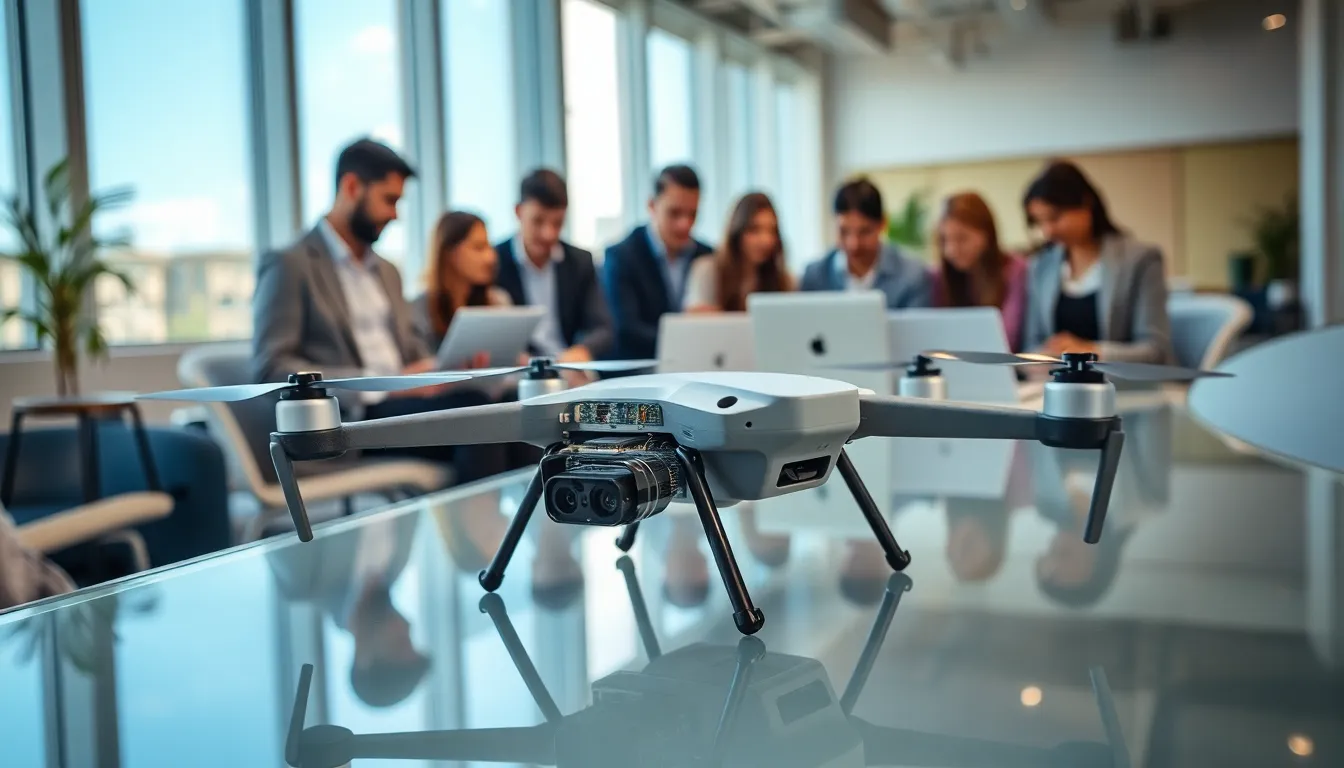
In the world of DIY drones, the Raspberry Pi Zero stands out as a remarkable choice. Its compact size and powerful capabilities make it the unsung hero of the skies. Here are a few reasons why this tiny computer is a go-to for drone enthusiasts.
Benefits of Using Raspberry Pi Zero
First off, let’s talk about cost-effectiveness. Raspberry Pi Zero is a budget-friendly option that doesn’t skimp on performance. You get a powerful computing experience without burning a hole in your wallet. Lightweight and compact, it’s perfect for drone applications, allowing for exceptional maneuverability.
Also, the Raspberry Pi Zero is incredibly customizable. Whether it’s controlling flight paths, adjusting camera angles, or integrating sensors, the possibilities are endless. Not to forget its rich community support. From tutorials to forums, resources abound for anyone looking to tinker and innovate.
Key Features of the Raspberry Pi Zero
This pint-sized powerhouse comes with an impressive set of features: a Broadcom BCM2835 chip, 512MB RAM, and a mini HDMI port make it well-equipped for various tasks. Its GPIO (General Purpose Input/Output) pins allow for connecting additional sensors and modules, expanding functionality further. With Wi-Fi capability as an add-on, remote control operations become a breeze. Simply put, the Raspberry Pi Zero provides a solid foundation for creating multifunctional drones.
Introduction to Thermal Imaging Drones
When one thinks about drones, images of stunning landscapes often come to mind. But, add thermal imaging into the mix, and suddenly your drone transforms into a powerful tool with practical applications across various sectors.
Applications of Thermal Imaging in Drones
Let’s jump into the world of practical applications. From search and rescue missions to agricultural monitoring, thermal imaging drones are indispensable. They help detect heat loss in buildings, identify wildlife, and even assist firefighters in monitoring hotspots. Industries all over are reaping the benefits of this advanced technology.
Advantages of Thermal Imaging for Drones
Why go thermal? For starters, thermal imaging gives a visual representation of temperatures, making it easier for users to identify anomalies. It allows for nighttime operations, increasing productivity. This means that essential inspections or searches can continue beyond daylight hours. Plus, the bird’s-eye view provided by drones enhances coverage, allowing for quicker assessments and more efficient decision-making.
Building a Raspberry Pi Zero Thermal Drone
Ready to embark on your thermal drone journey? Let’s break it down step-by-step. Building your own Raspberry Pi thermal drone can be an enjoyable project, fulfilling both creative and technological curiosities.
Essential Components Required
Before starting, gather the essentials: the Raspberry Pi Zero, a thermal camera module, a compatible drone frame, flight controller, battery, and propellers. You’ll also need various cables and connectors to ensure everything fits and functions properly. Arm yourself with a soldering iron for any wiring that may be necessary.
Step-by-Step Assembly Guide
- Assemble the Drone Frame: Start with your chosen drone frame. Make sure it’s sturdy enough to handle the added weight of the Raspberry Pi and thermal camera.
- Mount the Raspberry Pi Zero: Secure the Raspberry Pi to the frame. Ensure it’s easily accessible for programming and adjustments.
- Install the Thermal Camera: Connect the thermal camera module. Position it for an optimal field of view.
- Wiring and Powering Up: Carefully connect your Raspberry Pi and camera to the power supply. Test connections before moving forward.
- Final Assembly: Attach propellers and any additional sensors you wish to integrate. Your drone is almost ready for its debut.
Programming the Raspberry Pi Zero for Thermal Imaging
Now that the hardware is assembled, it’s time to get into the nitty-gritty of programming your Raspberry Pi Zero for thermal imaging. Don’t worry: it sounds tougher than it is.
Setting Up the Software Environment
Begin by installing an operating system on your Raspberry Pi, such as Raspbian. After getting that up and running, you’ll want to install the necessary libraries for working with the thermal camera module. This ensures accurate data capture and image processing.
Using the command line might feel daunting initially, but it’s where the magic happens. Getting familiar with Linux commands is a handy skill you’ll appreciate as you investigate deeper into programming.
Coding for Thermal Camera Integration
Next, write the code that will leverage the capabilities of the thermal camera. Python is a great programming language for this task due to its simplicity and robust libraries. Start with basic scripts that log temperature data, gradually integrating more advanced functionalities like real-time data visualization. Don’t shy away from experimenting, after all, that’s the beauty of tinkering.
Testing Your Thermal Drone Setup
After all that hard work, it’s time for the moment of truth: flight tests. Testing ensures that every element of your thermal drone is functioning correctly.
Conducting Initial Flight Tests
Start with low-altitude test flights in a safe area. Ensure that controls are responsive, and the drone remains stable during flight. Monitor the thermal camera’s functionality: can it capture data effectively? This phase is about fine-tuning and collecting valuable information to optimize performance.
Troubleshooting Common Issues
If things don’t go as planned, don’t panic. Common issues include connectivity problems and stability during flight. Check all connections, ensure your soldering is sound, and run diagnostics on the software. Many online communities are eager to help troubleshoot, so share your experiences and learn from others.
Future Prospects of Raspberry Pi Thermal Drones
As technology continues to advance, the future of Raspberry Pi thermal drones appears bright. With emerging technologies, the landscape is set for exciting developments.
Emerging Technologies in Drone Development
Innovations in battery life and efficiency are paving the way for longer flight durations. The development of smaller, more powerful sensors is also enhancing the quality of thermal imaging, allowing for even more precise data capture and analysis. AI-powered drones are on the horizon, capable of analyzing thermal data in real-time, transforming industries as we know them.
Potential Use Cases for Raspberry Pi Thermal Drones
Imagine more comprehensive agricultural assessments at the touch of a button. Picture search and rescue teams equipped with drones that can quickly detect heat signatures in critical scenarios. The use cases are virtually limitless. From infrastructure inspections to environmental monitoring, these thermal drones will only increase their value in various fields.

