

In today’s fast-paced world, the importance of community wellness cannot be overstated. A thriving community relies on the well-being of its members, creating a resilient and supportive environment where everyone can flourish. LotsOfPower, as a community wellness advocate, emphasizes holistic health approaches to foster stronger, healthier neighborhoods. This article delves into the essence of community wellness, unraveling the key components, benefits, and strategies for engagement, while addressing the challenges faced along the way.
Understanding Community Wellness
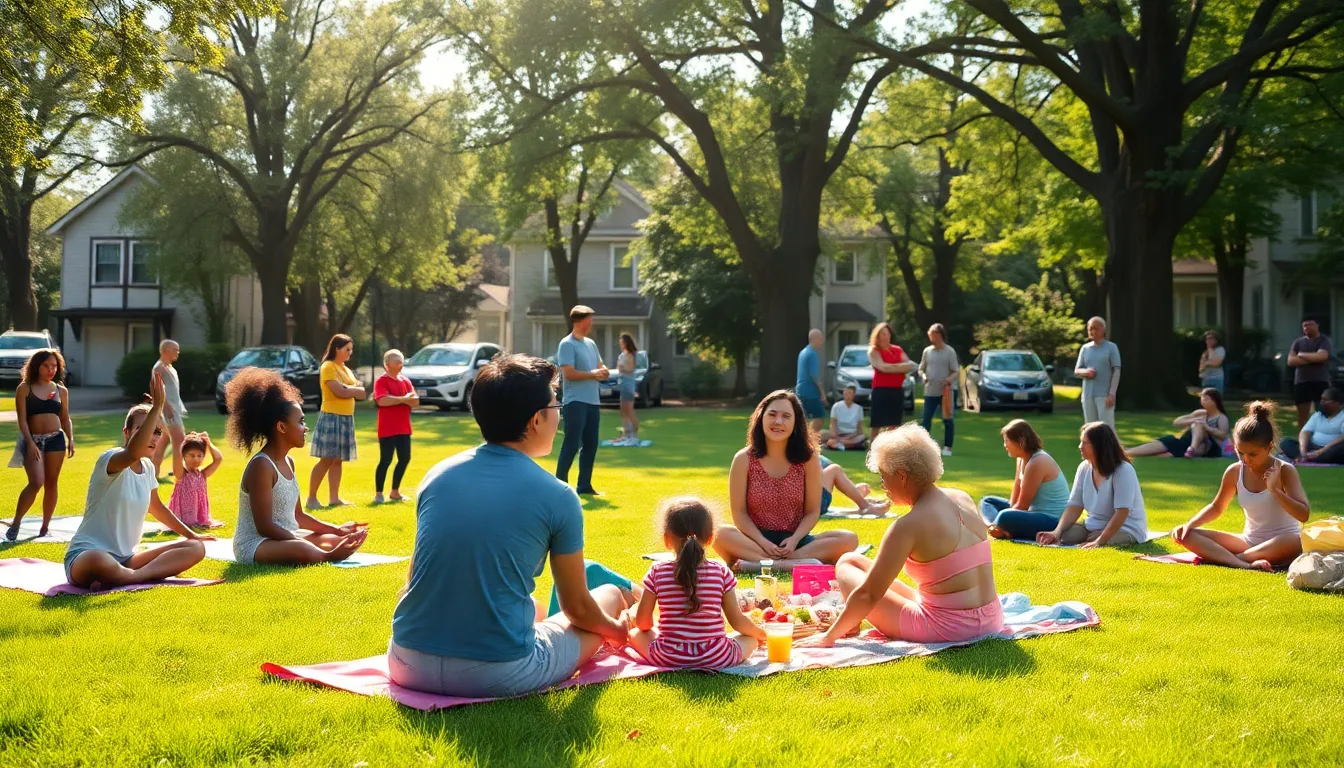
Community wellness refers to the collective well-being of individuals within a specific locale, emphasizing both physical and mental health. It encompasses various aspects of life, including emotional stability, social connections, and access to resources essential for health. A healthy community promotes engagement, resilience, and sustainability, eventually leading to an improved quality of life. By prioritizing community wellness, groups can cultivate environments where individuals feel supported in their health journeys.
Key Components of Community Wellness
- Physical Health: At the core of community wellness is physical well-being, which involves access to healthcare services, nutrition, and fitness opportunities. Ensuring that community members have access to parks, recreational facilities, and healthcare resources is vital.
- Emotional and Mental Health: Emotional resilience and mental wellness foster a community where individuals can thrive. Addressing mental health issues through education and stigma reduction initiatives is critical.
- Social Connections: Strong social ties among community members lead to supportive networks that enhance collective well-being. Loneliness and isolation can be detrimental, so fostering connections through events and collaborative efforts is essential.
- Economic Stability: Financial resources significantly impact health outcomes. Communities must support job creation, financial education, and access to resources that foster economic sustainability.
- Environmental Safety: A healthy environment contributes to wellness. This includes clean air and water, safe housing, and green spaces, all of which influence physical health and well-being.
Benefits of a Strong Community Wellness Program
Implementing a robust community wellness program offers numerous benefits:
- Improved Public Health: With better access to health services and educational initiatives, community members are more likely to engage in preventative healthcare practices, reducing the overall burden on health systems.
- Increased Engagement: Programs that address wellness create active community members who participate in local governance and engagement activities.
- Enhanced Quality of Life: As individuals improve their health and well-being, they contribute positively to their community, resulting in a more vibrant societal life.
- Economic Growth: Healthier communities save on healthcare costs and are more productive, driving local economies forward.
- Resilience Against Crises: Communities that prioritize wellness can respond more effectively to crises, be it public health emergencies or natural disasters, due to stronger social ties and resource networks.
How to Cultivate Community Wellness
- Assess Needs: Begin by identifying the specific needs of the community through surveys or focus groups to understand what wellness aspects require attention.
- Develop Partnerships: Collaborate with local organizations, schools, and healthcare providers to pool resources and create comprehensive wellness programs.
- Educate and Raise Awareness: Carry out educational campaigns to inform community members about healthy living choices, mental health awareness, and available resources.
- Create Accessible Programs: Design wellness programs that are inclusive and accessible to all community members, considering various socioeconomic backgrounds, ages, and abilities.
- Offer Incentives: Encourage participation by offering incentives, such as discounts on local services or free community events, to motivate community members to engage in wellness activities.
Engaging Community Members in Wellness Initiatives
Engaging community members is crucial for the success of any wellness initiative. Here are a few strategies:
- Use Social Media: Leverage platforms like Facebook and Instagram to promote community events and share wellness tips.
- Host Community Events: Organize health fairs, workshops, and fitness classes that encourage participation and make wellness a fun focus.
- Involve Local Leaders: Engage trusted local figures to champion wellness initiatives, as their influence can encourage broader community participation.
- Provide Feedback Channels: Create avenues for community members to voice opinions, share experiences, and suggest improvements to wellness programs, fostering a sense of ownership.
Challenges in Promoting Community Wellness
Promoting community wellness isn’t without its challenges:
- Resource Limitations: Many communities struggle with limited funding and resources to carry out wellness programs effectively.
- Cultural Barriers: Different cultural beliefs about health and wellness can hinder participation: understanding and addressing these differences is critical.
- Engagement Fatigue: In areas with oversupply of initiatives, residents may experience engagement fatigue, making it difficult to attract involvement for new programs.
- Resistance to Change: Some community members may be resistant to adopting new wellness practices due to entrenched habits or skepticism about the benefits of such initiatives.
Conclusion
To conclude, community wellness stands as a vital foundation for a thriving society. By understanding its components, promoting engagement, and addressing the challenges faced, organizations like LotsOfPower can foster an environment where every individual has the opportunity to lead a healthier life. An empowered community will not only see improved health metrics but will also create lasting connections that enrich the lives of all its members.

