
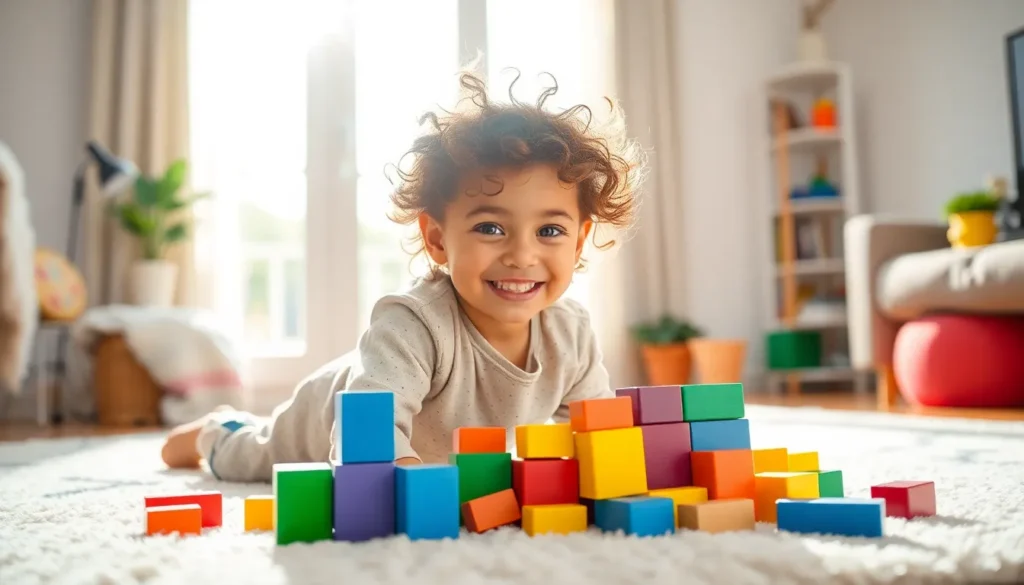
Navigating the wild world of preschoolers can feel like trying to herd cats—adorable, chaotic, and sometimes downright exhausting. Parents often find themselves wondering if there’s a secret manual for raising tiny humans who seem to have boundless energy and an uncanny ability to turn any room into a disaster zone. Fear not! The journey of parenting doesn’t have to be a solo expedition into the unknown.
Understanding Preschool Development
Parents face unique challenges with preschoolers. Understanding their development stages helps navigate this journey more effectively.
Cognitive Growth
Cognitive growth in preschoolers encompasses critical thinking, problem-solving, and language skills. At this age, children begin to understand simple concepts such as numbers, shapes, and colors. Games and activities that encourage exploration enhance these skills. Engaging in conversations promotes language development. Reading stories nurtures imagination and comprehension. Encouraging questions builds curiosity and independent thinking. Children typically exhibit improved attention spans and better memory retention as they approach kindergarten readiness.
Emotional Development
Emotional development during preschool years focuses on self-regulation and social interactions. Children learn to express feelings and empathize with others. Playdates and group activities foster social skills and cooperation. Recognizing emotions helps children communicate better. Parents can model appropriate emotional responses, guiding their children in handling feelings. Supportive environments create a sense of security, allowing children to explore their emotions freely. As they develop friendships, preschoolers experience joy and start forming bonds essential for future relationships.
Effective Communication Strategies
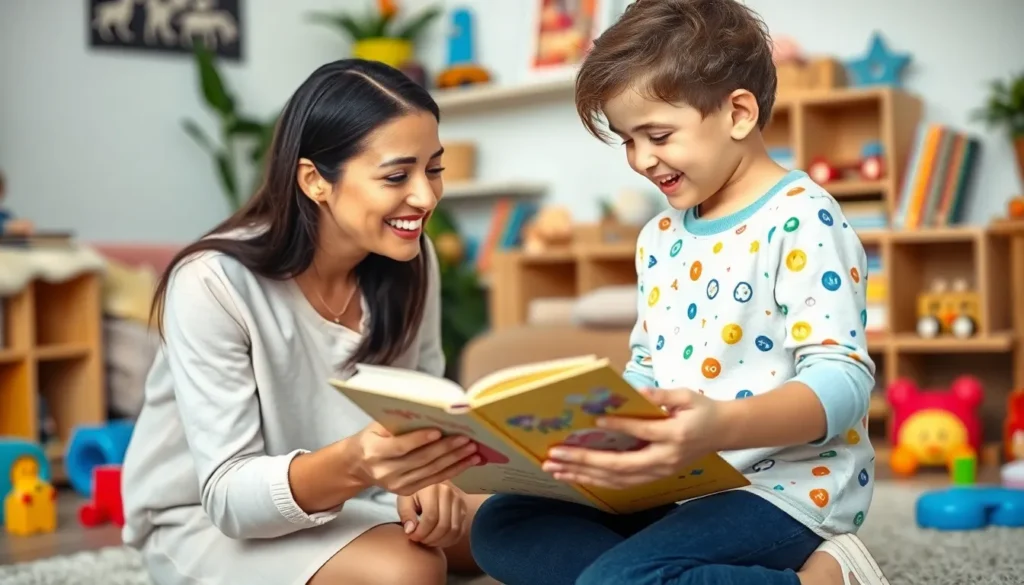
Effective communication lays the foundation for strong relationships with preschoolers. Utilizing various strategies enhances understanding and fosters cooperative interactions.
Active Listening Techniques
Active listening engages preschoolers and validates their feelings. Focusing attention helps children recognize that their thoughts matter. Repeating back their words demonstrates understanding. Asking open-ended questions encourages them to share more about their experiences. Maintaining eye contact shows commitment to the conversation. Nodding occasionally signals encouragement, prompting them to continue expressing themselves. Avoiding interruptions allows deeper exploration of their ideas and feelings. These techniques create a supportive environment, nurturing communication skills.
Encouraging Expressive Language
Encouraging expressive language boosts vocabulary and communication confidence. Prompting them to describe experiences enhances descriptive abilities. Introducing new words during conversations broadens their language exposure. Reading together exposes preschoolers to varied language structures and contexts. Engaging in role play stimulates creative expression, allowing them to practice language use. Praising their attempts at communication builds self-esteem. Utilizing simple, clear instructions aids comprehension and fosters better dialogue. These practices contribute to effective communication and strengthen the parent-child connection.
Establishing Routines and Boundaries
Establishing routines and boundaries fosters a safe environment for preschoolers. Structure offers them reassurance and clarity.
Importance of Consistency
Consistency plays a crucial role in helping preschoolers feel secure. Familiar schedules contribute to a sense of predictability. Regular meal times, bedtime rituals, and play periods help children develop trust in their environment. It’s beneficial to reinforce rules daily and transition between activities smoothly. This approach minimizes anxiety and confusion. By adhering to these established routines, children learn to manage expectations and adapt successfully.
Setting Clear Expectations
Setting clear expectations enhances communication between parents and preschoolers. Defining rules in simple language aids understanding. For instance, using phrases like “use kind words” or “share your toys” offers specific guidance. Visual aids, such as charts or pictures, can reinforce these expectations effectively. Positive reinforcement encourages adherence to rules. Praising children for following guidelines strengthens their confidence and reinforces desired behaviors. Clear expectations, combined with consistent consequences, create a supportive learning environment for preschoolers.
Positive Discipline Techniques
Positive discipline techniques focus on guiding preschoolers toward better behavior without punishment. These methods encourage learning and growth.
Redirecting Negative Behavior
Redirecting negative behavior involves steering children away from inappropriate actions toward acceptable alternatives. For instance, if a child throws a toy, a parent can suggest playing a different game or using a different toy. Providing choices helps children feel empowered and minimizes frustration. Encouraging expressions of feelings is also vital. Acknowledge emotions by saying something like, “I see you’re upset.” This recognition makes it easier for preschoolers to express themselves instead of acting out. Techniques like these promote understanding and reduce the likelihood of negative behavior resurfacing.
Reinforcing Good Behavior
Reinforcing good behavior strengthens positive actions through praise and rewards. Parents can recognize desirable behavior immediately, saying, “I’m proud of how nicely you shared your toys.” Celebrating small achievements helps build self-esteem and encourages repeated good behavior. Using a reward system also proves effective. Stickers or tokens for positive behaviors can motivate children to stick to the rules. Consistent reinforcement teaches preschoolers the connection between actions and outcomes. Maintaining this approach fosters a positive learning environment, ensuring children feel valued and motivated.
Engaging Activities for Learning
Engaging preschoolers through activities encourages their development in various key areas. These activities foster creativity, critical thinking, and social skills.
Creative Play Ideas
Dramatic play opportunities stimulate imagination and enhance communication. Setting up a pretend grocery store allows children to practice counting and vocabulary. Craft projects using recycled materials spark creativity, as kids make unique art pieces. Building blocks help with fine motor skills while introducing basic math concepts. Outdoor games, like scavenger hunts, promote physical activity and observation skills.
Educational Resources
Books filled with colorful illustrations capture preschoolers’ attention, making reading sessions enjoyable. Educational apps designed for young learners provide interactive experiences that develop cognitive skills. Music and movement resources encourage rhythm and coordination through fun songs and dances. Puzzles enhance problem-solving abilities alongside patience, as children work to fit pieces together. Simple science kits introduce basic concepts in a hands-on manner, encouraging exploration and inquiry.
Navigating the world of preschool parenting can be both rewarding and challenging. By understanding developmental stages and fostering effective communication parents can create a nurturing environment that supports their child’s growth. Establishing routines and boundaries helps children feel secure while positive discipline techniques guide them toward better behavior.
Engaging activities not only promote creativity and critical thinking but also strengthen the parent-child bond. With the right strategies in place parents can confidently embrace this unique stage of life and watch their little ones thrive. Each moment spent nurturing a preschooler’s development lays the foundation for a bright future.

