

In a world filled with parenting advice that often feels like a boot camp for tiny humans, gentle parenting offers a refreshing alternative. It’s not about being a pushover or letting kids run wild. Instead, it’s about nurturing a respectful and empathetic relationship with children. Imagine turning those toddler tantrums into teachable moments instead of wrestling matches. Sounds like a win-win, right?
Gentle parenting isn’t just a trend; it’s a lifestyle that encourages connection over control. By embracing this approach, parents can foster emotional intelligence and resilience in their little ones. So grab your favorite mug of coffee (or maybe something stronger) and get ready to discover some practical tips that’ll make parenting feel less like a circus and more like a harmonious dance. After all, who wouldn’t want to waltz through the chaos of parenthood?
Understanding Gentle Parenting
Gentle parenting prioritizes nurturing respectful and empathetic relationships with children. This approach encourages collaboration rather than control, guiding parents to respond thoughtfully to challenges.
What Is Gentle Parenting?
Gentle parenting focuses on building a strong connection between parent and child. It emphasizes empathy, respect, and understanding. Parents practice active listening and validate their child’s feelings. This method encourages a calm response in challenging situations, fostering emotional intelligence in children. When parents model thoughtful behavior, children learn to approach conflicts positively. Gentle parenting promotes cooperation and enhances the mutual trust within the family.
Benefits of Gentle Parenting
Gentle parenting offers various advantages for both parents and children. Emotional resilience develops as children learn to navigate their feelings. This approach cultivates a safe environment, allowing children to express themselves freely. Improved communication skills result from the open dialogue encouraged in gentle parenting. Fostering strong family bonds reduces stress and anxiety among family members. Children raised in this manner often exhibit higher levels of empathy and social awareness, leading to healthier interpersonal relationships.
Core Principles of Gentle Parenting
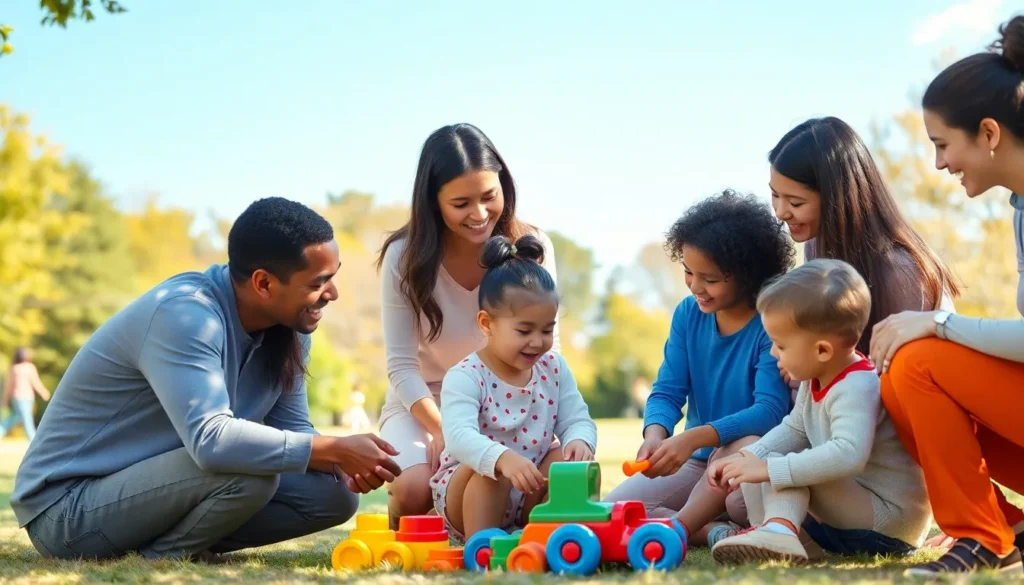
Gentle parenting revolves around core principles that guide interactions between parents and children, fostering nurturing relationships and emotional growth. Key concepts include empathy, respect, and positive reinforcement.
Empathy and Respect
Empathy forms the foundation of gentle parenting. Parents prioritize understanding their child’s feelings and perspectives. Respect follows closely, acknowledging children’s emotions as valid and worthy of consideration. When parents model empathy, children learn to express their own feelings thoughtfully. Active listening cultivates a safe space for discussions, enabling children to feel heard and valued. Open dialogue encourages emotional intelligence and strengthens the parent-child bond, ultimately nurturing a sense of trust.
Positive Reinforcement
Positive reinforcement encourages desired behaviors through praise and affirmation. Children respond better when they receive encouragement for their achievements, no matter how small. By recognizing positive actions, parents create an environment that promotes learning and cooperation. Celebrating effort fosters motivation and instills confidence. Constructive feedback, delivered with warmth, guides children toward improvement while maintaining their self-esteem. This approach reshapes challenges into opportunities for growth, reinforcing the gentle parenting ethos of connection and understanding.
Gentle Parenting Tips for Everyday
Gentle parenting encourages a compassionate approach that can be integrated into daily life. Here are some effective strategies.
Communication Strategies
Active listening strengthens the parent-child bond. He or she should make eye contact and acknowledge children’s feelings to foster trust. Validate emotions, as this helps children feel understood. Open-ended questions create opportunities for deeper dialogue, allowing children to express themselves freely. Using a calm tone during conversations reduces tension, promoting an environment where children feel safe to share. Reflecting back what children say reinforces that parents truly listen.
Setting Boundaries
Boundaries provide necessary structure within a gentle parenting framework. Parents outline clear, consistent expectations while remaining respectful of children’s autonomy. It’s essential to explain the reasons behind limits, fostering understanding rather than resentment. Encourage involvement by allowing children to participate in creating rules, enhancing their sense of ownership. Positive reinforcement serves as an effective tool; praise compliance with boundaries to motivate continued cooperation. Flexibility in enforcing rules can also help maintain a supportive atmosphere while guiding children toward independence.
Challenges of Gentle Parenting
Gentle parenting presents unique challenges that can test a parent’s resolve. Navigating difficult situations often arises when children express strong emotions. Parents may find it hard to remain calm during tantrums or rebellious phases. Instead of reacting with frustration, he or she can model emotional regulation. Providing a safe space for feelings encourages children to express themselves without fear. Establishing routines can also prevent many conflicts, as predictability helps younger children feel secure.
Dealing with external opinions poses another significant challenge. Family members or friends might not understand gentle parenting principles. Those outside the family may offer unsolicited advice based on traditional parenting methods. It’s important to communicate the values behind gentle parenting to these individuals. Sharing successes helps reinforce the effectiveness of the approach, creating allies who respect parenting choices. Establishing boundaries regarding external input can also maintain focus on the family’s goals.
Gentle parenting offers a transformative approach that nurtures strong connections between parents and children. By prioritizing empathy and respect, parents can create an environment where children feel safe to express themselves and learn from their experiences. Implementing gentle parenting techniques not only enhances communication but also fosters emotional resilience in children.
As parents navigate the challenges of this method, they cultivate a supportive atmosphere that encourages cooperation and understanding. Embracing these principles can lead to healthier family dynamics and more fulfilling relationships. Ultimately, gentle parenting empowers both parents and children to grow together, laying the foundation for a harmonious family life.

