

Every parent dreams of raising a confident child who can tackle life’s challenges with a smile. But let’s face it—confidence doesn’t just magically appear like a unicorn at a birthday party. It takes a little nurturing, a sprinkle of encouragement, and maybe a dash of humor to help kids strut their stuff like they own the playground.
Understanding Child Confidence
Confidence in children is essential for their overall development. It plays a crucial role in how they approach challenges and opportunities in life.
The Importance of Confidence in Children
Confidence fosters a positive self-image. It enhances a child’s ability to take risks and pursue goals. Confident children tend to engage more in social activities, leading to stronger relationships. Academic performance improves, as they feel more capable of tackling difficult subjects. Positive self-talk becomes a habit, further enhancing their resilience. Support from parents and caregivers significantly reinforces this confidence. Encouragement can transform a child’s perspective on failure into a learning opportunity.
Factors Influencing Confidence Development
A child’s self-esteem largely influences their confidence. Relationships with peers shape their social skills and comfort in new environments. Supportive parenting that provides praise and constructive feedback cultivates confidence. Exposure to new experiences, such as sports or arts, encourages skill development. The environment also plays a role; a nurturing, safe space promotes risk-taking. Media messages can impact self-image as well, highlighting the value of awareness in media consumption. Skills learned through play and teamwork contribute to a child’s confidence as well.
Strategies for Building Child Confidence
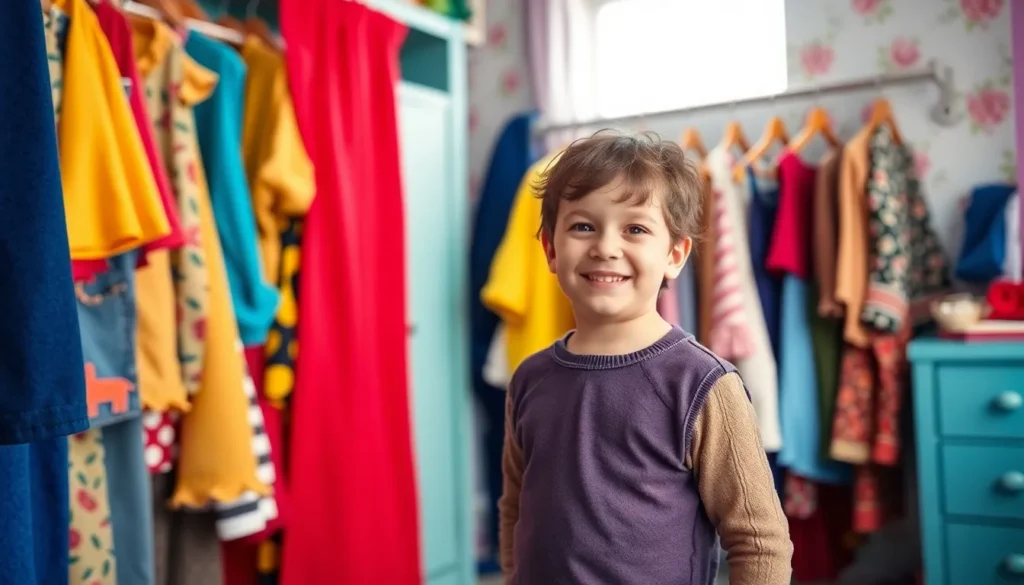
Building child confidence involves various strategies that parents can implement daily. These approaches help cultivate a solid foundation for self-esteem and resilience.
Encouraging Independence
Independence plays a crucial role in fostering self-confidence. Allowing children to make age-appropriate choices encourages them to explore their capabilities. Assigning small tasks, like choosing their clothes or helping with cooking, promotes decision-making skills. Engaging in problem-solving tasks boosts their confidence in handling challenges. Encourage them to take safe risks, such as trying new activities, to deepen their sense of autonomy. Parents can ask open-ended questions that invite children to express their thoughts and feelings, reinforcing their ability to think independently.
Celebrating Small Achievements
Celebrating small achievements significantly boosts a child’s confidence. Recognizing efforts, no matter how minor, fosters a positive self-image. Parents should provide specific praise for accomplishments, highlighting the skills used. For example, saying, “You worked hard to finish that puzzle,” reinforces effort over results. Creating a reward system can motivate children, making them feel valued for their progress. Sharing accomplishments with family members or friends encourages social reinforcement. Celebrating these moments strengthens the bond between parents and children, encouraging further exploration and growth.
The Role of Parents in Confidence Building
Parents play a vital role in fostering confidence in their children. Through active support and encouragement, they can help shape a child’s self-esteem and resilience.
Positive Reinforcement Techniques
Utilizing positive reinforcement techniques encourages children to take risks and tackle new challenges. Offering specific praise for achievements, such as thanks for a good effort in schoolwork or a compliment on a new skill, reinforces their efforts. Establishing reward systems for meeting goals helps children associate success with positive outcomes. Acknowledging even small victories contributes to a child’s willingness to engage in future tasks. Through such strategies, parents nurture a growth mindset, which is crucial for ongoing confidence development.
Creating a Supportive Environment
Creating a supportive environment significantly impacts a child’s confidence. Providing a safe space for children to express their thoughts and feelings builds trust and openness. Encouraging participation in various activities, including team sports or arts, allows children to explore their interests and develop new skills. Consistently showing belief in their capabilities fosters a sense of belonging. Ultimately, a nurturing atmosphere helps children feel valued, which strengthens their self-image and motivates them to overcome obstacles.
Activities to Boost Child Confidence
Engaging in specific activities fosters child confidence effectively. These activities not only enhance skills but also create a sense of accomplishment.
Team Sports and Group Activities
Participating in team sports encourages collaboration and builds social skills. Children learn the importance of teamwork, gaining confidence through shared successes. Playing soccer, basketball, or volleyball teaches them how to communicate and rely on others. Experiences gained from being part of a team help with conflict resolution and instill a sense of belonging. Group activities also promote friendly competition, which can motivate children to strive for improvement while celebrating each other’s achievements.
Creative Arts and Self-Expression
Creative arts provide opportunities for self-expression and exploration. Activities such as painting, dancing, or acting allow children to convey thoughts and emotions freely. These experiences help them discover their unique talents and build self-esteem. Sharing artwork in front of peers fosters a supportive environment, encouraging positive feedback. Engaging in such creative pursuits also serves as a stress reliever, instilling confidence in their abilities as they learn to embrace their individuality.
Building child confidence is a journey that requires intentional effort and nurturing. By providing encouragement and support parents can create an environment where children feel safe to explore and take risks. Celebrating small achievements and fostering independence are key strategies that help children develop a positive self-image.
Engaging in activities that promote teamwork and self-expression further enhances their confidence. As children learn to embrace challenges and celebrate their uniqueness they’re better equipped to navigate life’s ups and downs. Ultimately a confident child is not only prepared to face obstacles but also ready to seize opportunities that come their way.

