
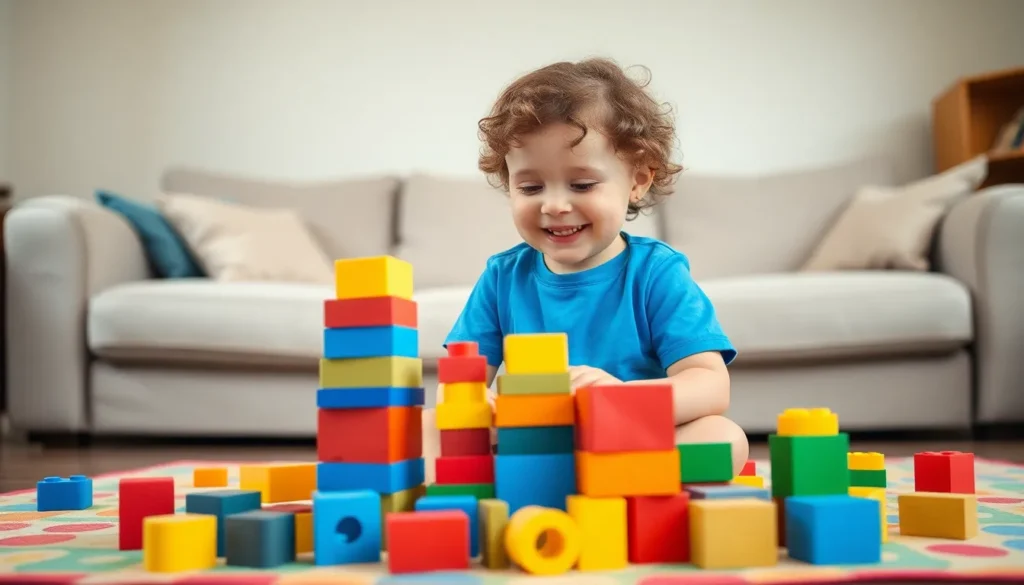
Navigating the wild world of toddler parenting can feel like trying to herd cats—very energetic and very unpredictable cats. One moment, they’re adorably giggling as they build a tower of blocks, and the next, they’re launching those same blocks across the room like mini projectiles. Understanding how to manage this whirlwind of emotions and energy can be a daunting task.
Understanding Toddler Development
Understanding toddler development is essential for effective parenting. Toddlers undergo rapid changes in various areas, including physical, emotional, and social growth.
Key Milestones in Toddler Growth
Key milestones mark crucial stages in toddler growth. Between ages 1 and 2, children often start walking independently. Communication skills also advance, as toddlers typically say simple words and phrases. By age 3, they may form more complex sentences and engage in basic conversations. Motor skills become more refined, enabling them to run and climb. Understanding these milestones helps parents support development through age-appropriate activities.
Emotional and Social Development
Emotional and social development plays a vital role during toddler years. Children begin to express feelings such as joy, frustration, and jealousy. Tantrums frequently occur as they navigate their emotions. Socially, toddlers show interest in interacting with peers, often engaging in parallel play. Sharing becomes a significant focus, although conflicts around this can arise. Recognizing these emotional and social dynamics is important for fostering positive interactions and emotional regulation skills.
Effective Communication Strategies
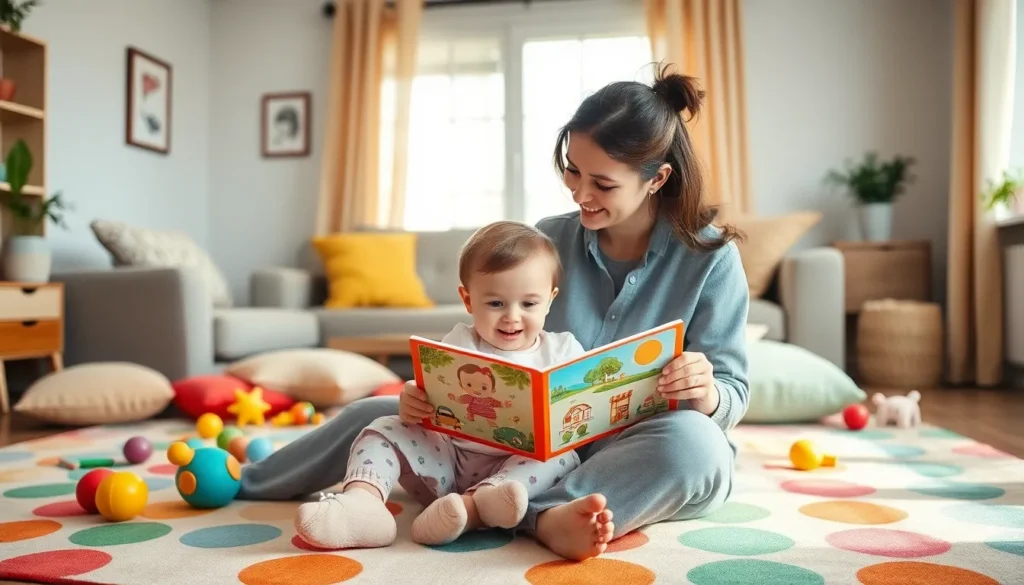
Effective communication forms the foundation of toddler development. Using specific strategies can enhance interactions and foster language growth.
Encouraging Language Skills
Encouraging toddlers to express themselves starts with engaging conversations. Speaking clearly fosters understanding; pairing words with actions reinforces learning. Introduce new vocabulary during everyday activities, making it relatable. Reading aloud amplifies comprehension, while asking open-ended questions promotes critical thinking. Singing songs and nursery rhymes adds fun, creating an enjoyable learning environment. Repetition helps solidify new words, making them more familiar. Celebrating their efforts boosts confidence, inspiring further communication.
Active Listening Techniques
Active listening builds trust and encourages open dialogue. Maintaining eye contact shows respect; it signals genuine interest in their words. Responding with affirmations like “I see” or “That’s interesting” validates feelings. Nodding and using facial expressions reinforces engagement, helping toddlers feel valued. Reflecting back what they say promotes clarity, ensuring understanding. Pausing to give them time to find words nurtures patience, which encourages articulation. Asking follow-up questions deepens conversations, allowing toddlers to explore their thoughts fully.
Setting Routines and Boundaries
Establishing routines and boundaries plays a vital role in toddler development. Routines provide a structured environment that fosters security. When toddlers know what to expect, it alleviates anxiety and enhances their sense of stability.
The Importance of Consistency
Consistency remains essential for effective parenting. When parents maintain regular schedules for meals, bedtimes, and activities, toddlers adapt more easily. It reinforces expectations and behavior, leading to smoother transitions throughout the day. Parents should align their actions and responses to support positive behaviors. Consistent consequences for actions encourage toddlers to understand boundaries better. Familiarity creates a safe space where toddlers feel confident and secure.
Implementing Positive Discipline
Positive discipline focuses on guidance rather than punishment. It’s crucial to use techniques that reinforce acceptable behavior while addressing unwanted actions. Parents should offer choices to empower toddlers, helping them feel a sense of control. This approach encourages responsibility and good decision-making. Using praise for good behavior reinforces desired actions. Time-outs serve as a way to break negative cycles and allow toddlers to self-regulate. Emphasizing communication and understanding fosters a supportive environment, crucial for emotional growth and development.
Promoting Independence and Exploration
Fostering independence and exploration is vital in toddler development. These early experiences prepare children for future challenges and learning opportunities.
Safe Environments for Learning
Creating safe spaces encourages toddlers to explore without fear. A childproof home allows for freedom, enabling toddlers to investigate their surroundings. Designating specific areas for play nurtures curiosity while minimizing risks. Utilizing soft furniture and removing hazardous items ensures a secure environment. Additionally, engaging in supervised outdoor play promotes discovery and physical development. Outdoor settings provide varied textures and sights, enhancing sensory experiences. Ultimately, safety lays the groundwork for exploration, allowing toddlers to learn through their interactions.
Encouraging Decision-Making Skills
Empowering toddlers with choices builds their decision-making skills. Presenting simple options during daily activities helps them practice making decisions. Examples include selecting between two snacks or choosing a favorite shirt. Encouragement during these choices boosts their confidence. Asking open-ended questions fosters critical thinking as they explore their preferences. Allowing choices helps children learn consequences in a supportive way. Highlighting successful decisions reinforces positive behavior, further enhancing their independence. Development in this area equips toddlers for more complex decisions as they grow.
Nurturing Emotional Intelligence
Building emotional intelligence in toddlers greatly influences their developmental journey. It fosters resilience and helps them navigate interactions with others effectively.
Recognizing and Validating Feelings
Identifying emotions in toddlers is the first step toward emotional intelligence. When a child expresses frustration, naming that feeling as frustration validates their experience. Engaging in dialogue about feelings can enhance a toddler’s emotional vocabulary. Use phrases like “I see you’re upset” or “Sounds like you’re feeling happy.” Encouraging toddlers to express their emotions in words rather than actions promotes healthier emotional regulation. It’s important to set an example by sharing personal feelings appropriately, demonstrating that emotions are a normal part of life. This approach instills confidence, teaching them that their feelings are valid and worth expressing.
Teaching Empathy and Sharing
Empathy development begins at an early age. Introducing simple scenarios can help toddlers understand others’ feelings. For instance, ask questions like “How do you think your friend feels when they drop their toy?” Engaging in role-playing activities with dolls or toys also allows them to explore different emotions. Sharing experiences, such as offering snacks or toys, reinforces the importance of generosity. Praise toddlers for sharing and empathizing with others, reinforcing positive social interactions. Building these skills helps children understand the perspectives of those around them. Establishing empathetic behavior early on sets the foundation for meaningful connections in the future.
Parenting toddlers is a unique journey filled with challenges and rewards. By understanding their developmental needs and fostering emotional intelligence, parents can create a nurturing environment that promotes growth. Effective communication and established routines play a crucial role in helping toddlers navigate their emotions and interactions. Encouraging independence and providing safe spaces for exploration further enhances their confidence and decision-making skills. With patience and consistency, parents can guide their toddlers through this transformative stage, laying the foundation for a lifetime of learning and connection. Embracing these strategies will not only ease the parenting experience but also enrich the lives of both parents and toddlers alike.

