

Navigating a foreign country can be a thrilling adventure, but it can quickly turn into a comedy of errors when nature calls. Imagine standing in a bustling Spanish market, desperately searching for a bathroom while trying to remember if it’s “¿puedo usar el baño?” or “¿dónde está el baño?” Fear not! Learning how to ask for a bathroom in Spanish doesn’t have to be a daunting task.
Understanding the Phrase
Understanding how to ask for a bathroom in Spanish proves essential for travelers. Knowing the right phrases can enhance the experience in Spanish-speaking countries.
Literal Translation
The literal translation of “Can I use the bathroom?” in Spanish is “¿Puedo usar el baño?” This simple structure allows for easy comprehension. The word “puedo” conveys “can,” while “usar” means “to use.” “El baño” directly translates to “the bathroom,” making the request straightforward. Formulating questions properly in Spanish fosters clearer communication. Using this phrase can minimize confusion, ensuring travelers feel more comfortable while seeking restroom facilities.
Cultural Context
Cultural understanding of bathroom etiquette contributes significantly to communication in Spain. In Spanish-speaking countries, directness in asking for a bathroom is generally accepted. Often, individuals expect and appreciate straightforward inquiries. Public restrooms may vary in cleanliness and accessibility depending on the location. While cafes and restaurants often provide facilities, some places require a purchase. Recognizing these nuances helps travelers navigate social interactions effectively. Awareness of local customs enhances overall experiences and fosters positive encounters.
Importance of the Phrase
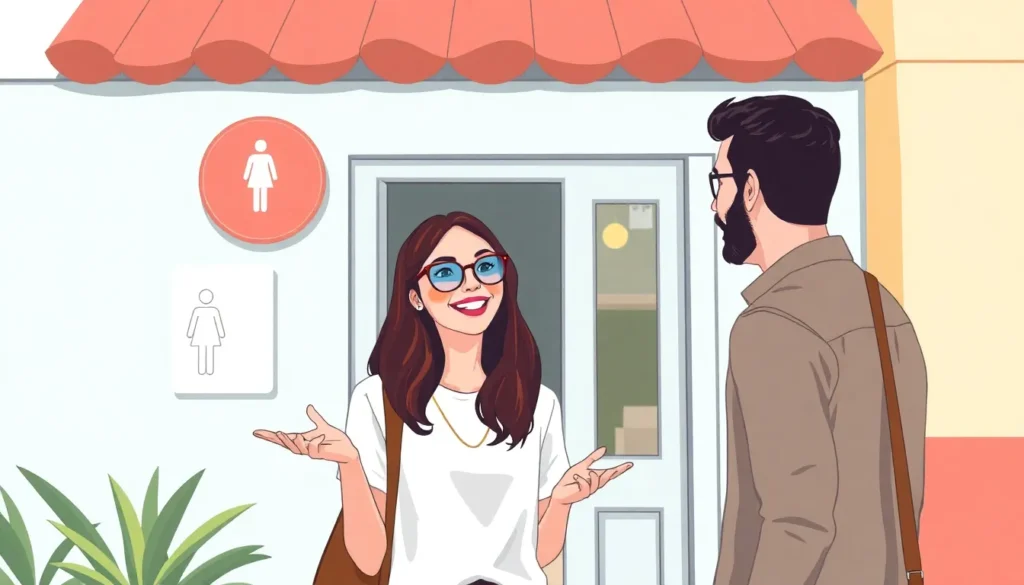
Mastering the phrase “¿Puedo usar el baño?” proves essential for travelers in Spanish-speaking regions. This simple inquiry facilitates smoother interactions, ensuring clarity when nature calls.
Travel Scenarios
Navigating travel scenarios can quickly become stressful. Stress often arises when urgency strikes and no restroom is in sight. Knowing the appropriate phrase aids in seeking assistance from locals, prompting a quicker response. Short trips, such as visiting cafés or restaurants, require a straightforward request for restroom access. In places like tourist attractions, striking up conversations with staff can lead to helpful directions. Public events or festivals present opportunities to engage with fellow attendees, reinforcing social connections while fulfilling basic needs.
Everyday Conversations
Everyday conversations also benefit from using this phrase. Daily interactions may involve asking shopkeepers, waitstaff, or hotel personnel for restroom locations. Utilizing this phrase reflects respect for the local language and culture. Engaging in dialogues enhances social dynamics during outings or gatherings. Mastery of this phrase encourages confidence, making travelers feel more comfortable in casual encounters. Overall, incorporating “¿Puedo usar el baño?” into daily exchanges aids in building rapport and promoting positive experiences in Spanish-speaking environments.
Common Variations
Language usage often varies between Spanish-speaking regions, affecting bathroom-related phrases. In Mexico, a common expression is “¿Me permite usar el baño?”, while in Argentina, one might hear “¿Puedo ir al baño?” Both phrases convey the same meaning, yet the choice of words reflects regional preferences. Understanding these variations ensures clarity and aids communication.
When it comes to formality, differing contexts influence phrase selection. In formal settings, such as a restaurant or a business meeting, “¿Puedo usar el baño?” is appropriate due to its polite tone. Alternatively, in informal situations, friends or younger individuals might opt for “¿Voy al baño?” This phrase is more casual and acceptable among acquaintances. Choosing the right expression can create a more comfortable interaction.
Tips for Effective Communication
Effective communication is key when asking for a restroom in Spanish. Using clear language paired with confident body language can enhance understanding.
Body Language and Gestures
Employing body language improves communication when verbal skills lack. Use hand signals, like pointing towards oneself or mimicking urgent needs, to clarify the request. Facial expressions, such as raising eyebrows to convey urgency, also assist. When in a café or restaurant, looking at the staff while making eye contact fosters connection. Many locals appreciate effort, so smiling while asking may promote a positive response. Additionally, respecting personal space is essential. Combining these non-verbal cues with the verbal phrase makes interaction more effective.
Practice Scenarios
Practicing common scenarios helps reinforce confidence in using the phrases. Before traveling, role-play situations where a bathroom request is necessary. For instance, pretend to be at a restaurant; ask the staff, “¿Puedo usar el baño?” This helps build familiarity with the phrase. In another scenario, simulate being in a tourist attraction, pointing towards the restroom while verbalizing the request. Frequent practice enhances recall when in real situations. Incorporating these scenarios into daily routines ensures fluency. Ultimately, preparation equips travelers to handle bathroom inquiries with ease.
Navigating the need for a bathroom while traveling in Spain doesn’t have to be a daunting experience. By mastering the phrase “¿Puedo usar el baño?” and understanding regional variations, travelers can communicate their needs effectively. This simple yet vital phrase opens doors to smoother interactions and helps build rapport with locals.
Embracing the local language not only enhances the travel experience but also reflects a respect for the culture. With a bit of preparation and practice, anyone can confidently ask for restroom access, ensuring that their journey remains enjoyable and stress-free. So next time you find yourself in need, remember these tips and approach the situation with ease.

