

Glass frogs are nature’s little wonders, with their transparent skin revealing a mesmerizing view of their insides. But what’s even more intriguing is what these froggy friends munch on in their leafy homes. If you think they’re just sipping on morning dew and nibbling on salad, think again! These amphibious culinary connoisseurs have a taste for something a bit more… meaty.
In the wild, glass frogs feast primarily on insects, making them the ultimate bug exterminators. From crickets to flies, these frogs have a menu that’s as diverse as their habitats. So, if you’re curious about the dining habits of these fascinating creatures, buckle up! It’s time to dive into the delicious world of glass frog cuisine and discover what keeps them hopping happily along.
Overview of Glass Frogs
Glass frogs are remarkable amphibians known for their unique transparent skin. Their skin transparency allows visibility of internal organs, showcasing their fascinating anatomy. These creatures inhabit tropical rainforests and streams across Central and South America.
Diet plays an important role in their survival. They primarily consume a variety of insects, showcasing a preference for active prey. Common food sources include crickets, flies, and moths. Opportunistic feeders, glass frogs adapt to available food forms in their environment.
Hunting strategies vary among species. Some glass frogs employ a sit-and-wait tactic while others may actively forage for food. Their ability to camouflage against foliage assists in ambushing unsuspecting insects. These dietary habits not only support their energy needs but also contribute to ecosystem balance by controlling insect populations.
In recent studies, glass frogs have shown a strong selection for particular insects over others. Researchers discovered that these amphibians tend to prefer softer-bodied insects. This preference directly influences their feeding efficiency and overall health.
Glass frogs maintain a diverse diet consisting primarily of insects. Their dietary habits reflect their adaptability and ecological importance within their habitats. Understanding what they eat provides insights into their role in the environment and the overall dynamics of rainforest ecosystems.
Habitat and Distribution
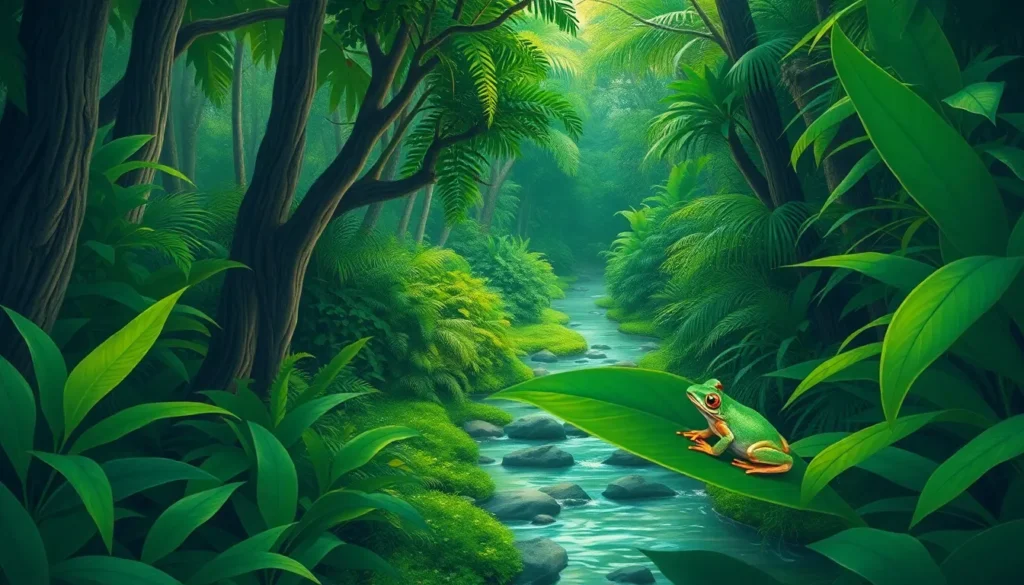
Glass frogs thrive in specific habitats across Central and South America. Their presence primarily occurs in tropical rainforests and along streams.
Geographic Range
These amphibians inhabit regions from southern Mexico to northern Argentina. They are common in countries like Colombia, Ecuador, and Costa Rica. Populations tend to cluster in areas with high humidity and ample vegetation. Glass frogs often reside at elevations ranging from sea level to about 1,500 meters. This geographic distribution helps them access their preferred diet of insects.
Preferred Environments
Humidity plays a vital role in their environment preference. Glass frogs favor tropical and subtropical forests that offer dense tree cover. They require moist conditions to thrive, often found near streams or ponds. Additionally, they prefer areas where leaves and branches create natural camouflage. The presence of high vegetation density ensures both shelter and hunting opportunities, allowing these frogs to ambush unsuspecting prey effectively.
Diet of Glass Frogs
Glass frogs maintain a diet primarily consisting of insects. Their primary food sources include a variety of prey, enabling them to thrive in humid environments.
Common Prey Items
Commonly consumed insects by glass frogs include crickets, flies, and moths. These amphibians exhibit a strong preference for softer-bodied insects. Such preferences help optimize their feeding efficiency and overall health. Grasshoppers, small beetles, and ants also appear in their diet. Each insect contributes essential nutrients necessary for growth and reproduction.
Feeding Behavior
Feeding behavior among glass frogs varies significantly. Some species adopt a sit-and-wait strategy, blending into their surroundings to ambush unsuspecting prey. Other species exhibit active foraging patterns, where they search for insects in vegetation. Camouflage plays a crucial role in their hunting tactics, enhancing their ability to catch meals. Additionally, glass frogs utilize their keen eyesight to spot potential food sources. By taking advantage of their unique habitats, these amphibians effectively balance their diet and maintain ecosystem health.
Importance of Diet for Glass Frogs
Glass frogs play a vital role in their ecosystems, largely due to their insect-based diet. They help control insect populations, serving as natural pest managers within tropical rainforests. By consuming a variety of insects, glass frogs maintain balance in local food webs. This predation prevents the overpopulation of certain species, ensuring that other organisms thrive. Their interactions contribute to the overall health of the environment, highlighting their ecological significance.
Diet influences glass frog health and survival in multiple ways. Insects provide essential nutrients necessary for growth and reproduction. Soft-bodied insects particularly enhance their feeding efficiency. Adequate nutrition supports their immune system and combats diseases, which are crucial for longevity. A varied diet also increases resilience against environmental changes, thereby improving their chances of survival in shifting habitats. Healthy adults can better reproduce, ensuring stable populations and further ecosystem health.
Understanding the dietary habits of glass frogs reveals their essential role in the ecosystem. Their insect-based diet not only supports their growth and reproduction but also helps maintain the balance of local environments. By effectively managing insect populations, they contribute to a healthier habitat for themselves and other species. The diverse feeding strategies and preferences for specific prey underscore their adaptability in the wild. As these fascinating amphibians continue to thrive in their humid tropical habitats, their ecological impact remains significant. Observing their unique behaviors and dietary choices offers valuable insights into the intricate web of life within rainforests.

