

In the wild world of parenting, juggling nap times, snack schedules, and the occasional tantrum can feel like a circus act—minus the applause. Every parent knows that life with kids is a rollercoaster of joy, chaos, and the occasional “what was I thinking?” moment. But amidst the chaos, there’s a vibrant lifestyle waiting to be embraced, one that transforms everyday challenges into delightful adventures.
Understanding Parenting Lifestyle
Parenting lifestyle encompasses the daily routines and attitudes towards raising children. It integrates family dynamics, personal values, and community engagement into a cohesive approach to child-rearing.
Definition of Parenting Lifestyle
Parenting lifestyle refers to the unique way families navigate the challenges of raising children while incorporating their values and priorities. It involves choices regarding education, health, and recreational activities. Families define their own traditions and rituals, creating an environment that fosters both growth and happiness. Each family’s individual experiences shape this lifestyle, reflecting their specific needs and preferences.
Key Elements of Parenting Lifestyle
Prioritizing communication proves crucial in a parenting lifestyle, facilitating understanding and connection among family members. Active involvement in children’s lives enhances emotional bonds and ensures parental guidance. Establishing routines supports developmental needs, providing stability. Flexibility allows families to adapt to changing circumstances while maintaining joy. Lastly, community support and connection contribute significantly to a well-rounded parenting experience, enriching children’s lives beyond the home.
Different Parenting Styles
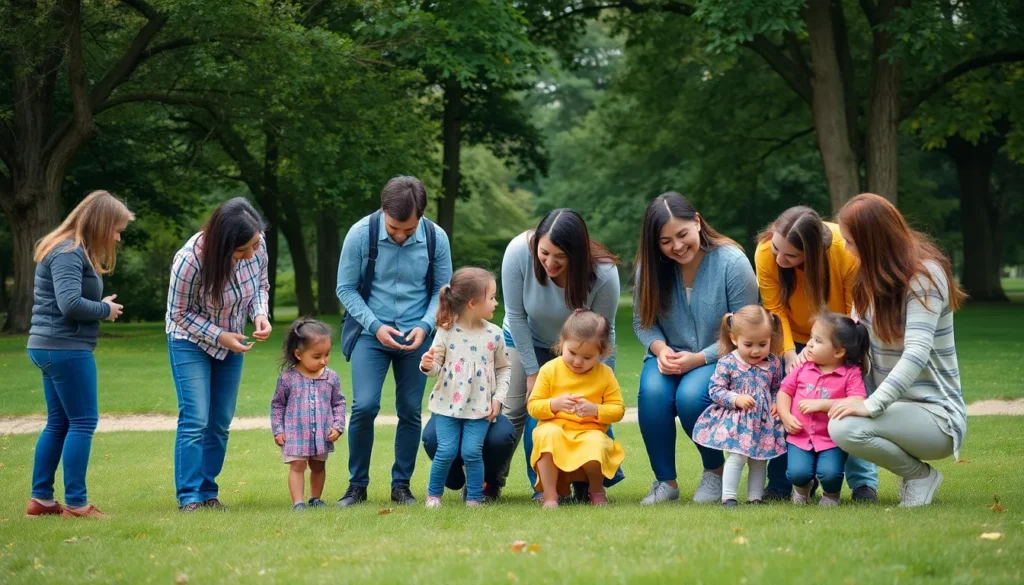
Parenting styles significantly impact children’s development and behavior. Understanding these styles helps families navigate their child-rearing journey effectively.
Authoritative Parenting
Authoritative parents demonstrate a balanced approach between responsiveness and demandingness. They set clear expectations while supporting their children’s autonomy. Communication thrives within this style, encouraging children to express thoughts. Research shows that proactive involvement fosters well-rounded individuals. According to studies, children raised under this style exhibit higher self-esteem and better social skills compared to their peers. Parents using this method often encourage independence while maintaining clear boundaries.
Permissive Parenting
Permissive parents prioritize their child’s wants over structure and rules. They often avoid setting firm boundaries, leading to a relaxed atmosphere. While this parenting style fosters creativity and openness, it can result in challenges with self-discipline. Children in permissive households may struggle with authority figures due to limited guidance. It’s essential for parents to recognize the balance between freedom and rules to promote responsible behavior. Research indicates that a lack of boundaries in this style might affect academic performance.
Uninvolved Parenting
Uninvolved parenting lacks both responsiveness and demandingness. Often characterized by emotional distance, this style can lead to children’s neglect of their emotional and physical needs. Children raised in uninvolved environments may face difficulties in developing secure attachments. They often grapple with feelings of abandonment, influencing their self-worth. Research highlights that this style poses significant risks, including behavioral issues and poor academic outcomes. Parents in this category may inadvertently create a void in essential emotional support, affecting overall development.
Impact of Parenting Lifestyle on Children
Parenting lifestyle significantly influences children’s development. Various aspects, including emotional and social factors, shape how children grow, adapt, and interact with their environment.
Emotional Development
Emotional development thrives in nurturing environments. Authoritative parenting, characterized by responsiveness, fosters emotional security and resilience in children. Studies show that children in supportive settings tend to express feelings more openly and manage emotions effectively. Opportunities for open communication contribute to higher self-esteem and emotional intelligence. On the other hand, neglectful parenting can hinder emotional growth, leading to attachment issues and challenges in self-worth. Healthy emotional development lays the foundation for future relationships and coping mechanisms.
Social Skills
Social skills develop through regular interactions and guidance. Engaging parenting styles encourage participation in group activities, fostering teamwork and cooperation. When parents model effective communication and empathy, children learn to navigate social situations confidently. Research indicates children exposed to collaborative environments possess better conflict resolution skills. Conversely, uninvolved parenting restricts opportunities for social engagement, potentially leading to difficulties in forming connections with peers. Actively participating in children’s social lives enhances their ability to socialize and establish meaningful relationships.
Creating a Balanced Parenting Lifestyle
Creating a balanced parenting lifestyle requires intentionality and focus. Juggling roles can become overwhelming without organized strategies.
Time Management Tips
Establish clear priorities to handle daily tasks effectively. Allocate specific time blocks for activities, such as family meals, playtime, and individual responsibilities. Utilize tools like calendars or apps to keep track of schedules. Set boundaries to minimize distractions during focused work or family time. Break down larger projects into smaller, manageable tasks to avoid burnout. Evaluate and adjust plans regularly to accommodate unexpected changes in routine.
Importance of Self-Care
Self-care plays a crucial role in maintaining a balanced parenting lifestyle. Regularly taking breaks helps recharge energy levels. Engaging in hobbies or exercise, even for short periods, fosters personal well-being. Connecting with friends or family provides essential emotional support. Prioritizing sleep and nutrition contributes to overall health, enabling better interactions with children. A happy and healthy parent positively influences children’s development, creating a nurturing environment for growth.
Challenges in Parenting Lifestyle
Parenting often presents various challenges that demand attention and adaptability.
Balancing Work and Family
Finding harmony between work commitments and family responsibilities proves difficult for many parents. Long hours and demanding jobs can disrupt family time, leading to feelings of guilt and stress. Juggling these roles requires strategic planning and prioritization of tasks such as scheduling work around school activities. Setting boundaries is essential, ensuring sufficient time for family. Involving kids in daily activities fosters connection and makes tasks enjoyable. Communicating openly about schedules helps create a supportive environment, enhancing work-life balance.
Navigating Social Pressures
Social dynamics can intensify the parenting experience, adding to existing challenges. Comparisons with peers’ parenting styles often spark unrealistic expectations and stress. Engaging with community activities can reinforce confidence and shared values among parents. Social media presents another layer, frequently showcasing idealized family moments that strain self-worth. Recognizing that every family has unique circumstances helps mitigate pressure. Encouragement and support from other parents create a network that nurtures resilience and instills a sense of belonging. Emphasizing personal family values aids in counteracting outside influences.
Embracing a parenting lifestyle means recognizing the beauty in both the chaos and joy that comes with raising children. By prioritizing communication and establishing routines families can create a nurturing environment that supports children’s growth.
Flexibility and community engagement play vital roles in navigating the challenges of parenting. Each family’s unique approach contributes to shaping their children’s experiences and development.
Ultimately, intentionality in parenting choices fosters resilience and emotional security in children. As families reflect on their values and priorities they can cultivate a fulfilling parenting lifestyle that enriches their lives and strengthens their bonds.

